I never expected the person who would change my life to be sitting on an overturned yellow bucket in a service hallway at midnight. My name is Warren Algate, and for most of my adult life, I believed everything could be solved with discipline, strategy, and control. I built Algate Capital from the ground up, managed billions in investments, and became the kind of person people respected but rarely approached. I was successful, efficient, and constantly moving forward. But somewhere along the way, I became someone who knew how to manage companies better than he knew how to connect with people. I did not realize how empty that had made me until one night when I returned to my office because of a financial problem I could not ignore and heard a violin playing in the darkness.
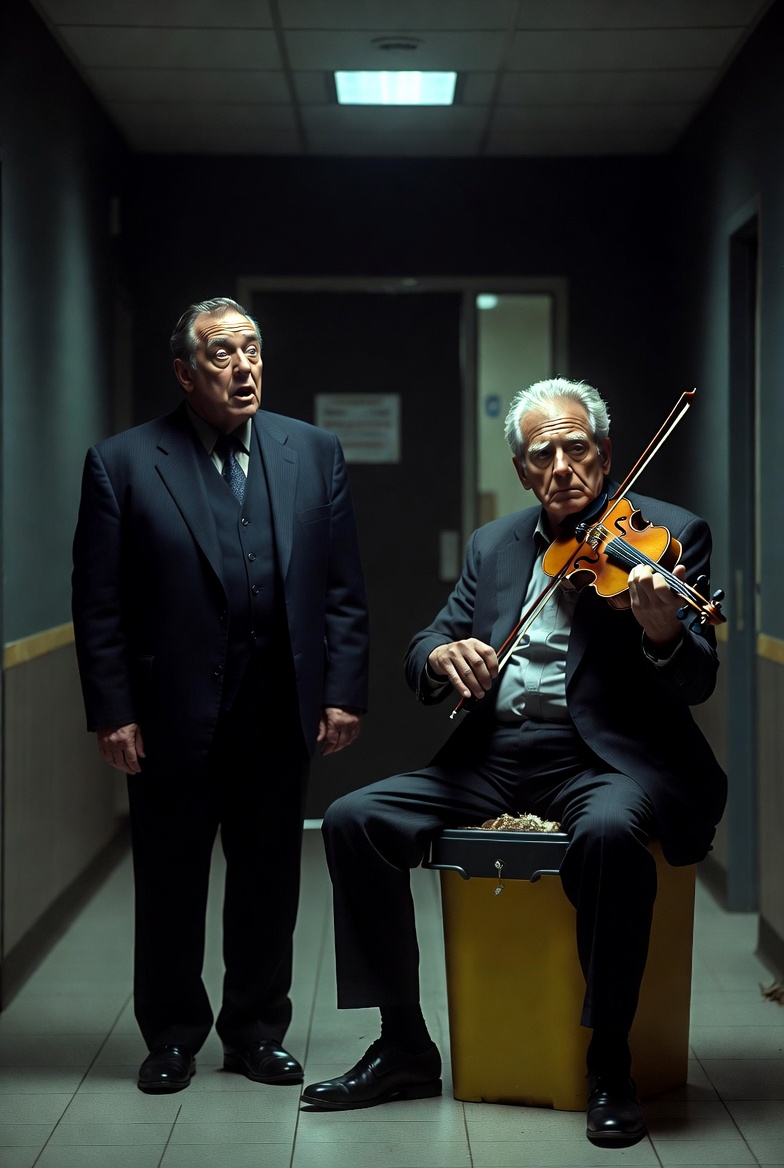
The elevator opened at 11:47 p.m., and the entire office felt like a different place. The lights were off, the reception desk was empty, and the only sounds were the machines quietly keeping the building alive. I was walking toward my office when I heard music coming from the service corridor near the freight elevator. It was not a recording. It was real. Imperfect in the way only live music can be, with every note carrying emotion instead of perfection. I followed the sound and found a man sitting on a yellow cleaning bucket, holding a violin. His name badge said Bernard. He was around seventy years old, wearing the uniform of the overnight cleaning crew, but the way he held himself was different. He had the posture of someone who had spent years standing in front of an audience, not cleaning empty offices after midnight.
I stood there silently as he played. The melody was familiar, something my father used to play when I was a child. My father was an electrician in Hamilton, a practical man who loved classical music more than anyone I knew. He would sit by the window on Sunday mornings listening to old recordings while I never fully understood what he was hearing. That night, listening to Bernard play in a forgotten hallway, I suddenly remembered those moments. I remembered a part of myself I had buried beneath years of meetings, numbers, and responsibilities. I almost walked away without saying anything, but something stopped me.
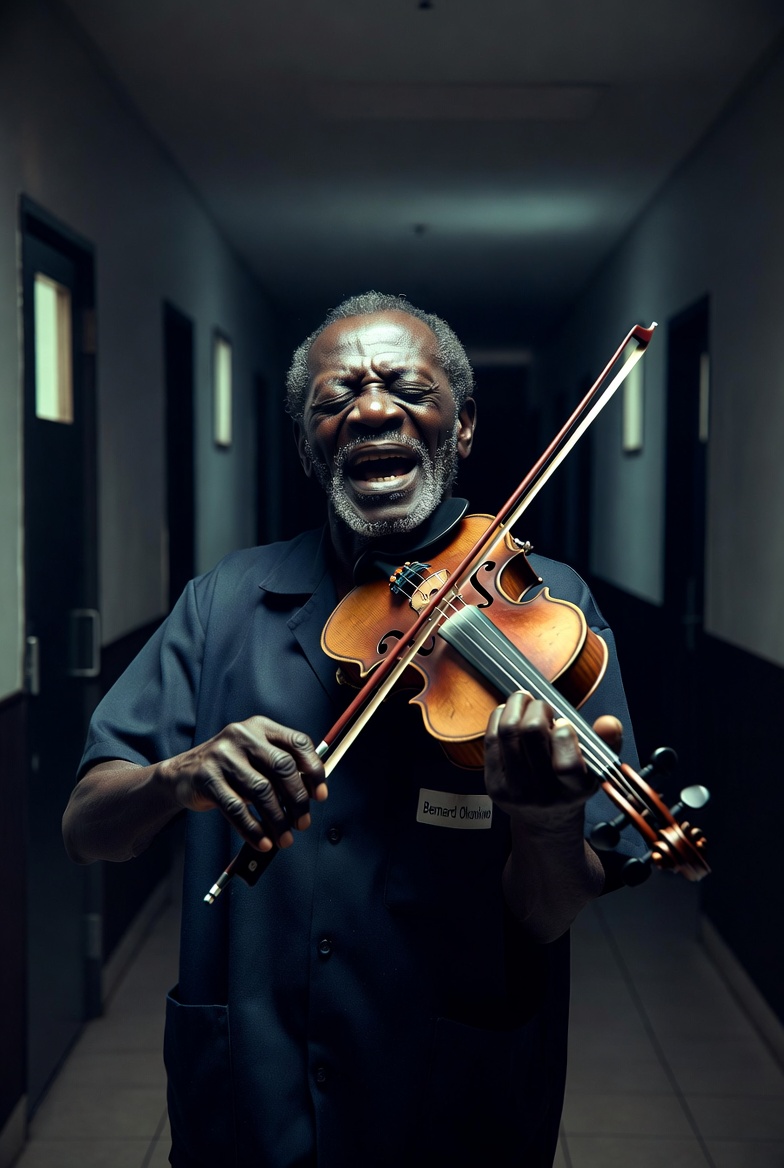
The next morning, curiosity led me to search Bernard’s name. What I discovered shocked me. Bernard Okonkwo had once been the first-chair violinist for the Toronto Symphony Orchestra. He had performed at Carnegie Hall, played with orchestras around the world, and received reviews describing him as one of the most gifted violinists of his generation. The man cleaning my office at night had once stood on some of the greatest stages in the world. But life had changed. A diagnosis of multiple sclerosis had slowly taken away his ability to perform professionally. His hands began trembling. His career ended. After his wife passed away, he eventually became part of the overnight cleaning staff just to keep moving forward.
Yet every night, after everything he had lost, Bernard still played.
That was the part I could not understand.
I spent my entire life chasing achievements because I believed losing meant failure. Bernard had lost the stage, the applause, and the recognition, but he had not lost himself. He was still a violinist. His illness changed what he could do, but it did not change who he was.
The following night, I waited for him. When he started playing again, I finally walked into the hallway and introduced myself. I told him I was the owner of the company. I told him I had heard him play. Instead of being impressed by my title, Bernard simply looked at me and said, “I knew you were there last night.”
I was surprised.
He explained that he had heard the elevator and knew someone was listening. He just chose not to stop playing.
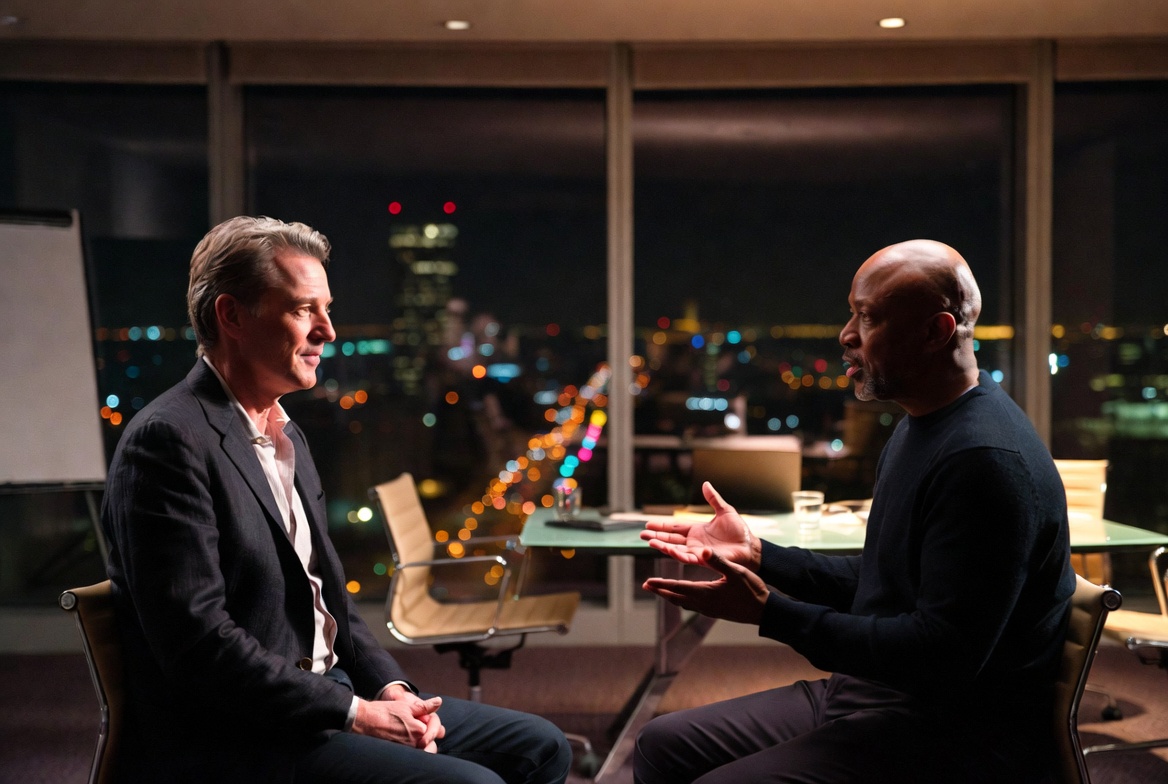
We talked until 2 a.m. in an empty boardroom overlooking the city. For the first time in years, I listened without thinking about my next decision. Bernard told me about his years with the orchestra, the fear of losing his ability to play, and the pain of watching a part of his identity disappear. But he never spoke like a victim. He spoke like someone who had accepted that life changes but refused to surrender the things that mattered.
Then I told him about my daughter, Sadi.
I had not spoken honestly about her in years. She lived in Vancouver, and the truth was that I had failed her. I had built a company, but I had not been there when she needed me. The last time she truly confronted me, she told me she had stopped expecting me to show up. She had already grieved the father she wanted and accepted the one she had.
Bernard listened quietly.
Then he said something I never forgot.
“The hardest grief is the grief that happens without you.”
Those words stayed with me because they were true.
I had spent years believing success meant providing everything my family needed. I never understood that sometimes people do not need your achievements. They need your presence.
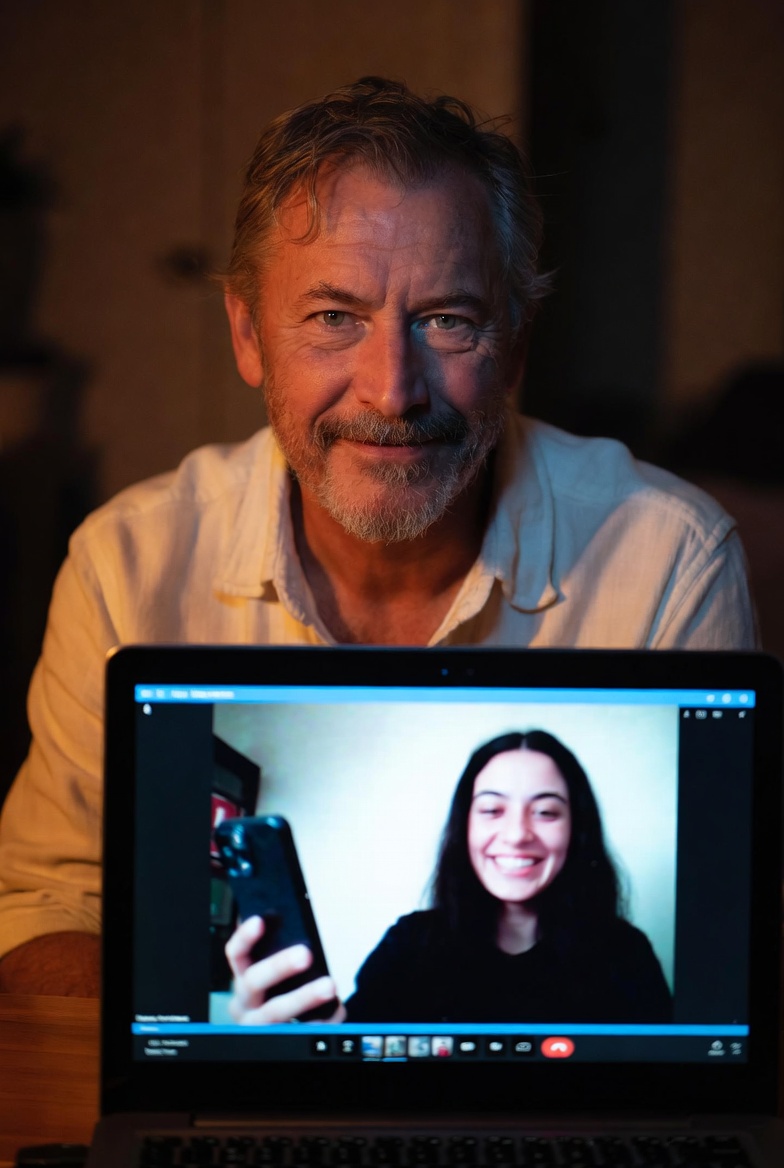
The next week, I called Sadi without a reason. Not because I needed something. Not because there was a business problem. I simply wanted to hear her voice. The conversation was not perfect. There were uncomfortable silences and old wounds that did not disappear overnight. But it was real. Before we ended the call, she said something simple.
“Call me again.”
It was not forgiveness.
It was an opportunity.
And for the first time in years, I understood the difference.
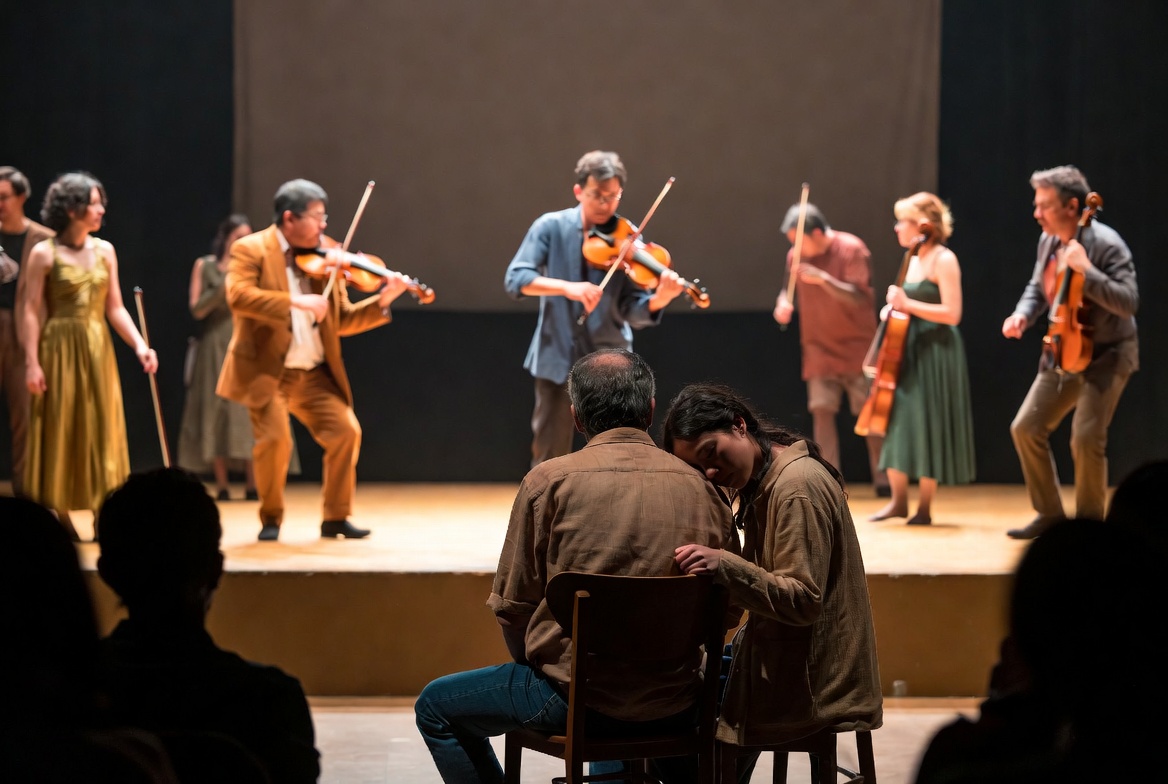
Bernard continued playing in the service corridor every night. Eventually, I asked him if I could create something through my company’s foundation. Not charity. Not a publicity project. A real music program for musicians whose health conditions prevented them from performing traditionally. A place where talented artists could continue sharing their gift.
Bernard agreed, but only under certain conditions.
No press releases.
No events designed to make the company look generous.
No treating musicians like charity cases.
They would be artists.
I agreed immediately.
The program started small. Bernard recruited other musicians who had been pushed aside by illness: a cellist with rheumatoid arthritis, a pianist losing her hearing, a guitarist dealing with a neurological condition. They performed in care homes, hospitals, and community centers. They reminded people that talent does not disappear just because life becomes difficult.
Months later, I attended one of their performances. My daughter Sadi came with me from Vancouver. She stood beside me as Bernard played the same piece I had first heard in that empty hallway.
The difference was that this time, he was not playing alone.
The room was filled with people listening. People remembering. People feeling something they had forgotten.
Sadi leaned against my shoulder, something she had not done since she was a child.
And I realized something my father had understood all along.
Music was never just about sound.
It was about connection.
It was about remembering who you are.
That night, I thought about everything I had spent my life building. The company. The wealth. The reputation. None of those things were meaningless, but they were never the whole story.
The greatest thing I had found was not a business opportunity or a new investment.
It was a man playing violin in a forgotten hallway who reminded me that people are not defined by what they lose.
They are defined by what they choose to keep.
And Bernard kept the music.