For most of my life, I believed that control was the same thing as strength. My name is Maxwell Harding, and I built Harding Capital into one of the largest private equity firms in Western Canada by making decisions quickly, staying calm under pressure, and never allowing emotions to interfere with business. People knew me as a man who never hesitated. I had the reputation of someone who could walk into any negotiation, identify weaknesses, and leave with the outcome I wanted. I had everything people associated with success: wealth, influence, a beautiful home, and a company that carried my name. But the truth was that I had spent years building an empire while ignoring the people closest to me. I had no wife, no real family life, and the only person who remained constantly beside me was my younger brother Donovan. I told myself I had taken care of him, that giving him a position at Harding Capital and providing financial security was proof of love. I never questioned whether he wanted something more than what I had decided to give him. I never considered that someone could stand beside me for years and quietly feel invisible.

The day everything changed began in the underground parking garage of my company headquarters in Calgary. I collapsed suddenly, and by the time paramedics arrived, my body was already shutting down. I remember the fluorescent lights above me, the smell of antiseptic, and voices calling my name as if I was already becoming a memory. When I woke up, I could hear everything around me, but I could not move. Doctors believed I was unconscious and unable to respond. My family believed them. At first, I thought I would simply wait until my body recovered, but then I heard my brother’s voice. Donovan was speaking quietly with Roland Pierce, Harding Capital’s general counsel, discussing my condition. They were not talking about my recovery. They were talking about control. They discussed my power of attorney, the future of the company, and how this was the perfect opportunity to create a “clean transition.” I stayed still and listened. The same instinct that had helped me survive hostile negotiations and corporate battles took over. Before revealing that I was awake, I needed to understand exactly what was happening.
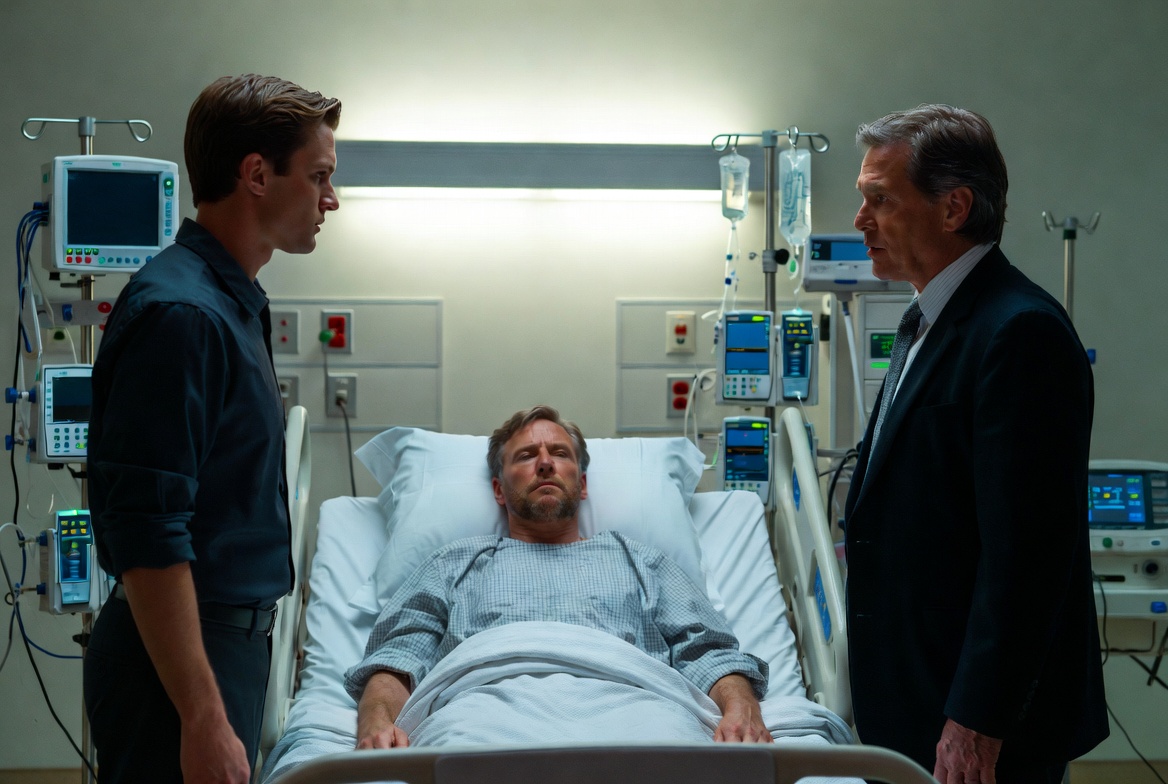
Over the next eleven days, I became a silent witness to the collapse of everything I thought I knew. Donovan and Roland were not simply trying to protect the company. They were planning to restructure Harding Capital in a way that would slowly remove my control and turn me from majority owner into a powerless shareholder. They believed I would never know. They believed I would remain trapped inside my own body while they decided the future of everything I had built. My lawyer Terrence eventually discovered the situation, and during a quiet moment when no one was watching, I managed to signal that I understood what was happening. He asked if I wanted him to continue investigating. I responded with the smallest movement I could make. Yes. While everyone around me believed I was helpless, I was learning more than I had ever learned during a board meeting. I learned who was loyal, who was ambitious, and who only respected me because they believed I had power over them.
But during those eleven days, I also noticed someone who had nothing to gain from me. Her name was Sylvie Marchand, one of the nurses at Foothills Medical Center. She was different from everyone else who entered my room. Other people treated me like a patient, a condition, or a problem to manage. Sylvie treated me like a person. Every morning at six, she checked my lines, adjusted my medication, and spoke to me as if she believed some part of me was still listening. She told me about her own mother, who had suffered a stroke, and how she used to sit beside her and talk even when doctors said it might not matter. “I don’t know if you can hear me,” she once said, “but I think it matters whether or not it helps.” Those words stayed with me. For years, I had measured everything by results. Profits. Growth. Success. But Sylvie reminded me that some things mattered even when nobody could measure them.

On the tenth night, something changed. Sylvie sat beside my bed and started talking about my company. She had looked up my story and learned how I built Harding Capital from the small firm my father left behind. She said she admired that I had created something real, but then she admitted she wondered about her own life. She had worked at the hospital for six years. She was good at caring for people, but sometimes she wondered what she was building. Who would remember that she had been kind? Who would remember the small things she did when nobody was watching? Listening to her, I realized she was asking a question I had avoided my entire life. What was I actually building? I had built a company, but had I built relationships? I had created wealth, but had I created something meaningful? In that quiet hospital room, with machines surrounding me and a woman speaking honestly to someone she believed could not answer, something inside me shifted. For the first time in years, I stopped calculating and started feeling.
The next morning, I opened my eyes. Sylvie was the first person to see it happen. She was surprised, but she did not panic. She immediately helped me drink water and called the doctors. When the room finally became quiet, I looked at her and thanked her for talking to me. I told her that she was right. Building something real was not only about creating a company. It was about the people you touched along the way. After that, everything moved quickly. Terrence stopped the power of attorney process. The board investigation began. Roland eventually resigned, and the legal consequences of his actions were handled separately. Donovan came to see me, and we had the longest conversation we had shared in fifteen years. It was not about money or the company. It was about everything we had failed to say. He admitted he was tired of living in my shadow. He admitted he had spent years feeling like he would never matter. I realized something painful: I had given him everything except the one thing he actually wanted. I had never truly seen him.

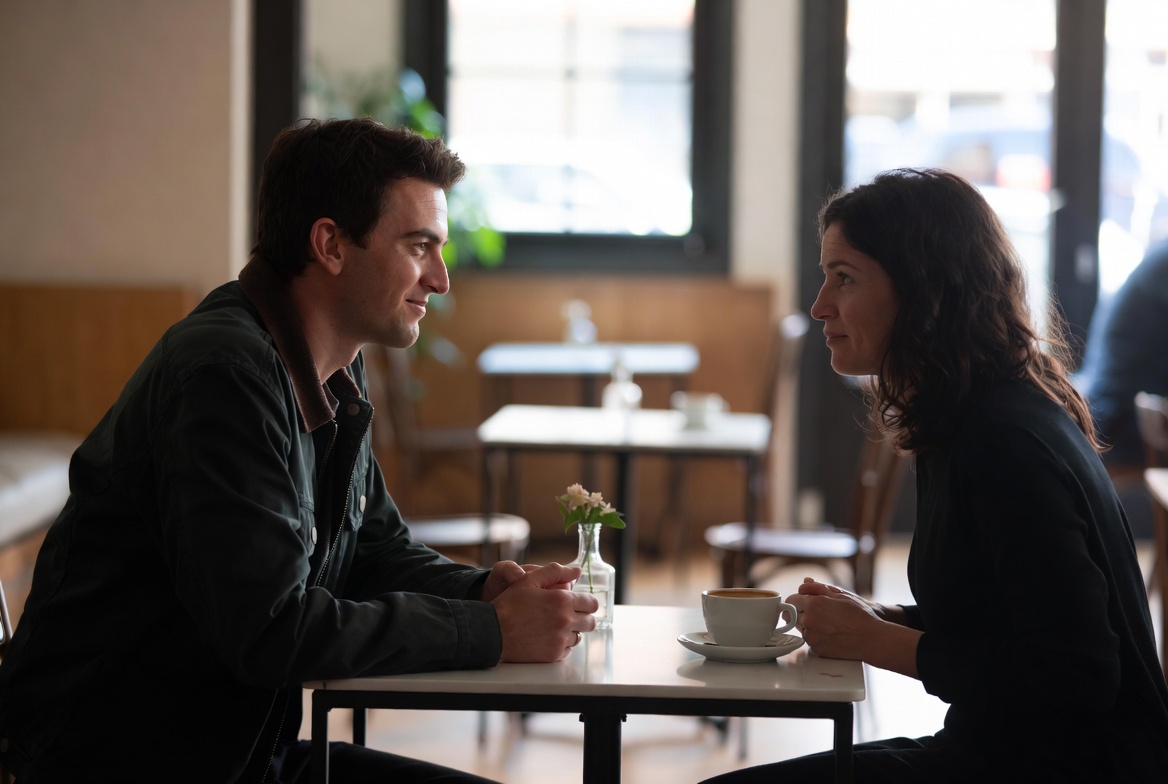
Six weeks after leaving the hospital, I received a card from Sylvie. She congratulated me on my recovery and hoped my life would become something good. I kept that card because it reminded me of the person I had been when I entered the hospital and the person I wanted to become afterward. I eventually asked her to have coffee with me. Not because I wanted to repay her kindness, and not because I saw her as someone who saved me. I wanted to know the person who reminded me that life was more than achievement. We met at a small café on Fourth Street, a simple place where people could actually talk. She told me she had wondered whether meeting me was a good idea. I told her I understood because I had spent most of my life making decisions based on certainty. But maybe uncertainty was not always something to fear.
Looking back, I realize the eleven days I spent pretending to be unconscious were the most awake I had ever been. I discovered betrayal from the people closest to me, but I also discovered something more important. I discovered the parts of myself I had ignored for decades. I had spent my life building walls, believing they protected me, but those same walls had kept me away from the people who mattered. Donovan needed a brother, not a benefactor. My employees needed a leader, not just a strategist. And I needed to become someone who could ask a simple question without fearing the answer: what am I truly building? The company I created will continue after me. The money I earned will eventually belong to someone else. But the way I make people feel, the moments I choose to notice, and the lives I choose to value are the things that will remain. For the first time in my life, I am no longer trying to prove that I am powerful. I am trying to become someone worth remembering.