I never thought a single evening could change the way I saw everything I believed about my family. My name is Margaret, and for most of my life, I had been the one holding the threads together, the invisible hand guiding events behind the scenes, ensuring appearances stayed intact while everyone believed nothing was wrong. That night, everything unraveled. It began with a casual invitation to Lily’s birthday gathering. I expected the usual: polite smiles, forced laughter, people carefully managing impressions. Instead, I walked into a room charged with unspoken tension, whispers that carried more weight than the clinking of glasses, and a feeling in my chest that warned me something was about to surface. Lily was radiant in her innocence, oblivious to the subtle battle unfolding around her. Her laughter was soft, yet each note seemed amplified against the quiet dissonance of the adults’ hidden agendas. I had arranged the seating meticulously, ensuring that no one would provoke conflict, yet the moment I crossed the threshold, I realized that control is never absolute, especially when emotions run deeper than protocol.

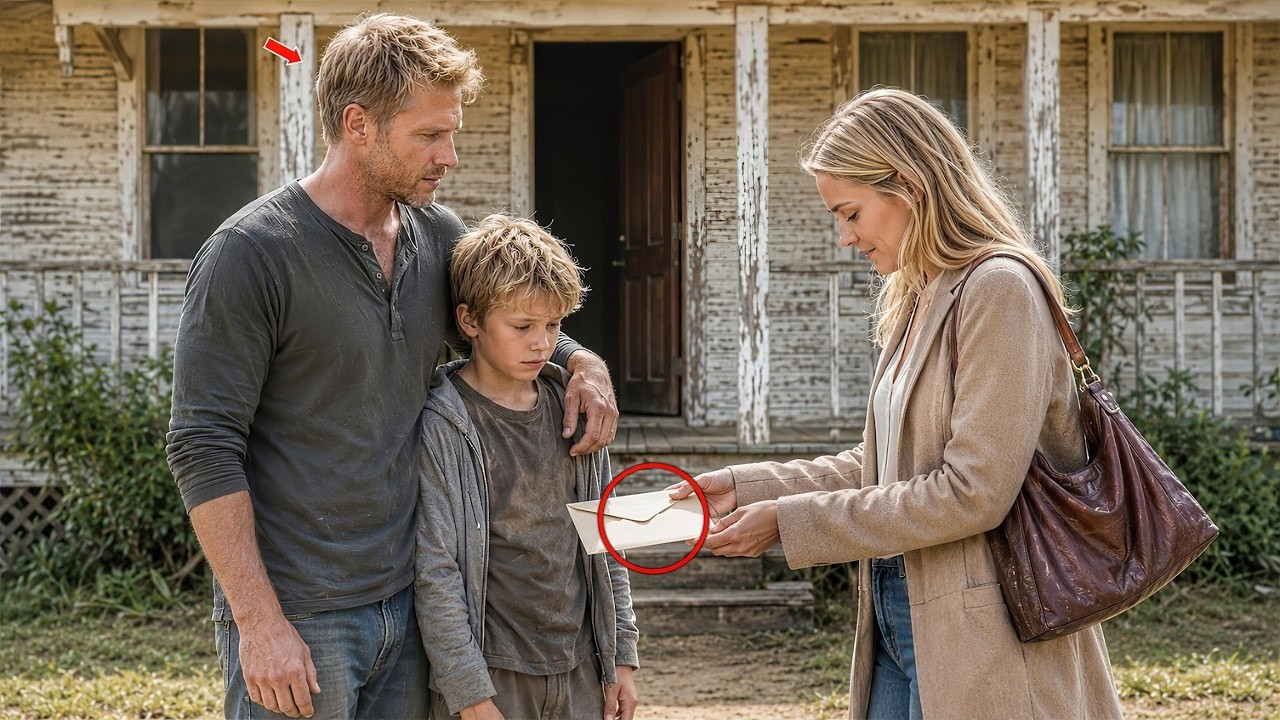
The first signs were small, almost imperceptible. Glances exchanged across the room, a slight stiffening of shoulders, the way certain conversations halted abruptly when Lily entered a particular corner. I observed quietly, as I always did, cataloging each movement, each tone of voice. My father’s disapproval lingered in the corner of the room like a shadow that refused to dissipate, while my mother’s eyes darted toward me, seeking validation I was no longer willing to give. I realized that years of managing perceptions, of controlling outcomes, had made me blind to the very dynamics I thought I understood. The laughter and chatter became a background hum as I focused entirely on reading the room, decoding the subtle signals that revealed the real intentions of those who had spent their lives performing civility while masking resentment, envy, and old wounds. It was then that I noticed the envelope on the side table, addressed to Lily, its seal slightly torn. I reached for it, my hands steady despite the sudden tightening in my chest. The contents were simple yet devastating: letters revealing truths that had been buried, secrets that implicated both family and friends, each word a thread pulling at the carefully woven tapestry I had maintained for decades.

I sat down beside Lily and spoke to her quietly, pretending to admire the card she had just received, but my mind raced. The letters described betrayals, financial manipulations, and personal deceptions that went far beyond what anyone would have imagined. It was a game of influence, trust, and power played over years, and somehow, in the innocence of this child’s birthday, the stakes became painfully clear. I realized that all the control I thought I possessed was an illusion; the true power lay not in the ability to orchestrate events, but in the ability to understand the motives, fears, and desires of everyone involved. I could feel my pulse quicken as I comprehended the magnitude of what was at stake. The family, the reputation, the delicate balance of relationships—all had been jeopardized, and I was confronted with the reality that someone had been working quietly against the integrity I had tried to preserve. My heart ached for Lily, who had no part in this, yet would feel the consequences of choices made by adults long before she was aware of them. I made a silent vow to protect her, to reclaim agency over what had spiraled out of my control, and to confront the deception that had infiltrated the very foundation of our household.

The confrontation was inevitable. I called the key figures aside, those who had orchestrated the subtle manipulations and half-truths, and faced them directly, my voice measured but firm. “The time for subtleties is over,” I said. “We will address the truth, no matter how uncomfortable it may be.” There was a moment of disbelief, a pause so heavy it seemed to press against the walls of the room itself. I laid out the evidence from the letters, detailing each misstep, each omission, each intentional lie that had threatened not only familial bonds but the well-being of Lily and the younger members of the household. Eyes widened, some with guilt, others with calculated defensiveness, yet I remained focused on the larger purpose: to restore clarity, to reestablish boundaries, and to ensure that innocence like Lily’s was safeguarded from the consequences of adult duplicity. The room was tense, every statement I made echoing with the weight of accountability. There were no distractions, no polite nods, only the undeniable recognition that the structure of trust we had relied upon had been compromised and required decisive action to rebuild.

In the days that followed, I worked tirelessly to repair the fractures I had uncovered. Conversations were held, apologies were demanded, and actions were verified to match the words spoken. It was exhausting, mentally and emotionally, but the transformation was palpable. Lily began to notice the difference, not fully understanding the magnitude of what had occurred, but sensing the renewed balance in her environment. Her laughter returned to the space, genuine and unguarded, and I recognized in that moment that the purpose of my vigilance, the countless hours spent observing, assessing, and strategizing, had culminated in a victory that was not about power, but about protection and restoration. I saw my family differently now, aware of both their fallibility and their potential for redemption. The realization that control is not about dominance, but about guidance, patience, and intervention at the right moments, reshaped my approach to every relationship I valued.
Weeks later, as I watched Lily play in the garden, her unguarded joy spreading like sunlight across the courtyard, I understood the lesson the entire ordeal had imparted. True strength is recognizing what can be preserved, what must be confronted, and when to step back to allow healing to take place. I had been the orchestrator of events for years, but that night at the Harborview Inn, and the revelations that followed, reminded me that oversight is meaningless without empathy, and influence is hollow without integrity. I reflected on the balance between power and care, realizing that the measures I had once taken to protect appearances must now be guided by genuine regard for the individuals whose lives intersect with my own. It was a clarity born from adversity, a recognition that sometimes, the smallest witnesses—in this case, a child—can illuminate truths adults choose to ignore.

Ultimately, I emerged from the experience not only as the guardian I had always considered myself to be, but as a person transformed by the recognition that vigilance must be paired with compassion. The letters, the confrontations, and the difficult conversations became catalysts for growth, reshaping family dynamics, establishing new boundaries, and instilling in everyone a renewed commitment to honesty and accountability. I had faced the consequences of hidden agendas and emerged with a stronger, more resilient understanding of trust. Lily’s presence, unwavering and insightful beyond her years, had reminded me that the most profound revelations often come from those we least expect. The Harborview Inn incident would remain in my memory not as a night of turmoil, but as the pivotal moment where I realized that protecting innocence and fostering integrity require courage, clarity, and the willingness to face uncomfortable truths head-on. I had learned that leadership, family, and legacy are not defined solely by control, but by the careful stewardship of those we care for, and by honoring the quiet, yet undeniable voices that guide us toward justice and understanding.