For most of my life, I believed that a mother’s love was measured by how much she was willing to sacrifice. My name is Marissa, and I spent decades building my daughter Lisa’s life around one simple goal: making sure she never had to struggle the way I did. After her father passed away, I became both parents. I worked extra shifts, managed every expense, and carried responsibilities that most people never saw. I never considered those things sacrifices at the time because Lisa was my daughter, and loving her felt natural. I paid for her education, helped with her wedding, supported her through difficult moments, and even contributed to the down payment of her first apartment. I never kept a record of what I gave. I never expected repayment. The only thing I quietly hoped for was that one day she would understand the love behind all those choices. I never imagined that the person I had spent my entire life protecting would one day look at me and say that I was the one who lacked independence.
The moment that changed everything happened in my kitchen. The afternoon sunlight came through the window as I washed a glass, thinking it would be another ordinary conversation with my daughter. Then Lisa casually said, “Mom, Mill does everything on her own. Unlike you.” The words sounded simple, almost harmless, but they struck me harder than she could have understood. I froze because I knew exactly what she meant. She was comparing me to her mother-in-law, a woman who paid her own bills and handled her own responsibilities without asking for help. According to Lisa, that was the definition of strength. I looked at my daughter and wondered if she truly believed that all the years I spent carrying her burdens meant nothing. I asked her if she was saying that everything I had done for her was meaningless. She quickly defended herself, saying she was only being honest. But honesty without understanding can still cause pain. She saw the help I gave her. She did not see the years of effort that made that help possible.
After Lisa left, I sat alone and allowed myself to remember everything I had done. I remembered holding her when she was sick as a child, staying awake through long nights when she had fevers, helping her with school projects, and comforting her through every heartbreak. I remembered working extra hours when money was tight, making sure she had opportunities I never had. During college, I sacrificed my own comfort so she could focus on her future. When she got married, I helped because I wanted her to begin her new life with less stress. When she struggled financially, I stepped in before she even had to ask. I never saw those moments as creating dependence. I saw them as love. But sitting there after our conversation, I had to admit something painful: maybe I had protected her so much that she never learned what responsibility truly felt like. I had spent years removing obstacles from her path, and perhaps she had mistaken the smooth road for proof that she had always been walking alone.
That night, I made a difficult decision. I did not want to punish Lisa, and I did not want revenge. I wanted her to understand something I had failed to teach her. Love does not mean carrying someone forever. Sometimes love means stepping back so they can learn to carry themselves. The next morning, when Lisa came over, I asked her to sit down. I told her calmly that her words had hurt me, but more importantly, they revealed something we needed to change. I explained that independence was not simply about paying bills without help. True independence meant understanding responsibility, appreciating what you had, and accepting the consequences of your choices. Then I told her that from that moment forward, I would no longer pay her bills, cover her credit cards, or solve every financial problem before she faced it. Lisa looked shocked. She expected an argument, maybe disappointment, but she did not expect me to remove the safety net she had never realized existed. I looked at her and told her the truth: “I love you too much to keep doing this for you.”
The first weeks were difficult for Lisa. For the first time, she had to face every responsibility she had previously avoided. Rent payments, utilities, credit card bills, and everyday expenses suddenly became real instead of invisible numbers handled by someone else. At first, she panicked. She realized how much she had depended on me without understanding the weight I had carried. She started remembering all the moments she had ignored: the late nights I worked, the money I saved, the problems I quietly solved. She finally understood that I had not weakened her by helping her. I had given her a chance to grow, but she had mistaken support for something permanent. Slowly, she began changing. She created a budget, tracked her expenses, worked harder, and learned how to solve problems instead of waiting for someone else to fix them. Every small victory gave her confidence. Paying her own bills for the first time was not just a financial achievement. It was proof that she was capable.

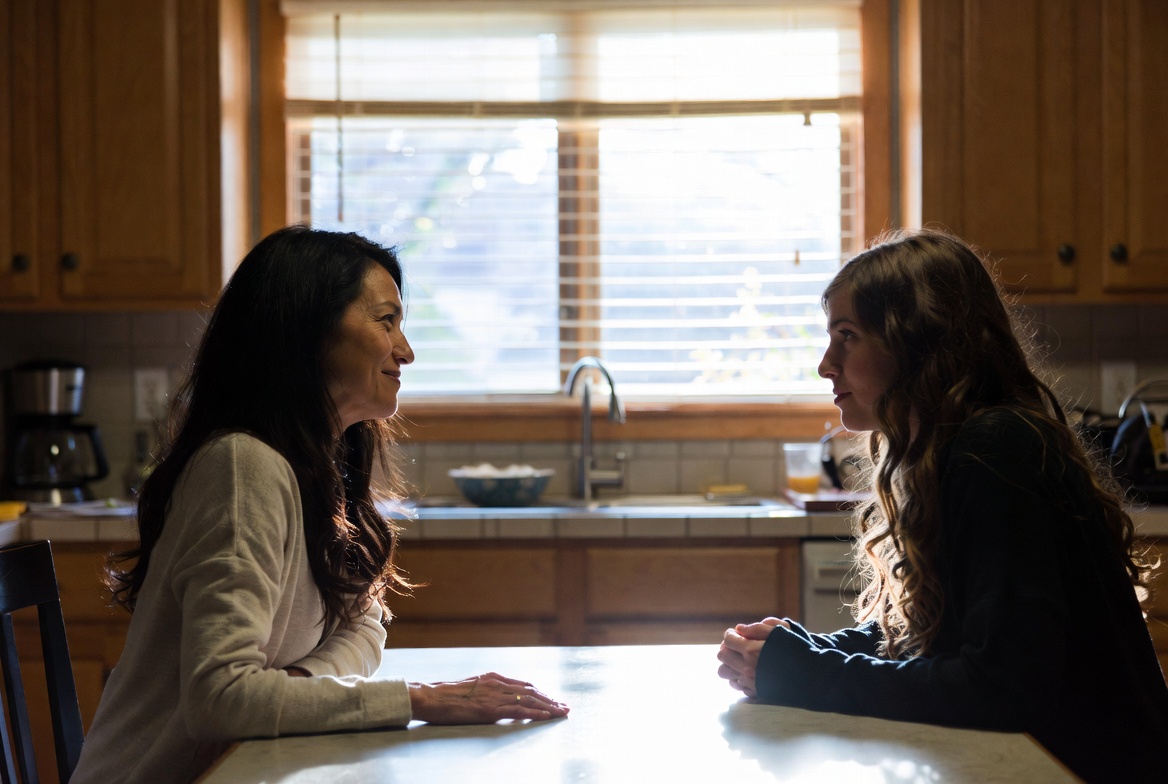
Months later, I saw a different woman sitting across from me at the kitchen table. Lisa was no longer the daughter who believed independence meant never needing anyone. She was someone who understood the value of effort and the meaning behind support. She told me she finally understood what I had done for her all those years. She apologized for comparing me to someone else without knowing my story. She admitted that she had confused being alone with being strong. I told her that needing help was never a weakness. Everyone needs support at different moments in life. The difference is whether you appreciate that support and whether you eventually learn to stand on your own. Our relationship changed after that conversation. We were no longer a mother and daughter trapped in a cycle where I gave and she received. We became two adults who could share advice, respect each other, and appreciate what we had built together.
Looking back, I realize the hardest lesson I ever taught Lisa was also one of the most loving things I could have done. A parent’s instinct is always to protect their child from pain, but sometimes pain is where growth begins. I spent years giving Lisa everything I could, and I do not regret a single sacrifice. But I also learned that love without boundaries can prevent someone from discovering their own strength. Today, when I see my daughter managing her own life, making responsible decisions, and facing challenges with confidence, I feel a kind of pride that money could never buy. She finally understands that independence is not about proving you need nobody. It is about becoming someone who can stand firmly while still appreciating the people who helped you get there. And I finally understand that being a good mother does not mean carrying every burden for your child forever. Sometimes it means having the courage to put the burden down and trust that they are strong enough to pick it up themselves.