For most of my life, I believed needing someone was a weakness. My name is Ethan Callaway, and I built Callaway Health Systems into one of the largest private medical infrastructure companies in Canada. At forty-one years old, I had everything people associated with success. I had hundreds of employees, a powerful board, financial security, and a company that millions of people depended on. The world saw me as a visionary, a leader, and someone who had created something extraordinary. What they did not see was the silence after the applause ended. They did not see me standing alone in hotel rooms after major announcements, surrounded by messages congratulating me but unable to find one person I could honestly tell that I was exhausted. I had spent years building systems to help others, but I had never built a place where I could admit I needed help. I thought success meant becoming someone who could carry everything alone. I did not realize that carrying everything alone was slowly becoming its own kind of failure.

The night I finally admitted that something was wrong was after the biggest achievement of my career. I stood on stage at the Vancouver Convention Center and watched 1,200 people give me a standing ovation for launching the Callaway Health Systems National Telehealth Network. Cameras flashed, journalists praised the project, and everyone told me I should be proud. I smiled because I knew how to smile. I had practiced that expression for years. But when the elevator doors closed and I was alone again, the expression disappeared. I returned to my hotel suite, looked over Burrard Inlet, and realized that despite everything I had built, I had nobody to call. My phone was full of congratulations, but none of those messages felt personal. For the first time in years, the silence around me felt heavier than the responsibilities I carried. That was when I saw a support line number from my own company’s wellness program. The irony almost made me laugh. I had built resources for people like me, yet I had never considered that I might be one of them. After staring at the number for several minutes, I finally called.
Her name was Clara. She answered the phone with a calm voice and immediately told me there was no rush. I remember being surprised by that. Most people in my world wanted quick answers, quick decisions, quick results. Clara did not try to solve me. She simply created space for me to speak. At first, I told her almost nothing important. I talked about the hotel room, the city lights, the strange emptiness that followed a major success. But she listened without interrupting. She did not rush to fill the silence. She did not give me advice I had not asked for. She just stayed there. That first conversation lasted forty minutes, and by the end, I realized something strange. I felt lighter. Not because my problems were gone, but because someone had finally heard them. After that night, I called again. Then again. Soon, our conversations became the one place in my week where I did not have to be the CEO, the founder, or the person who always knew what to do.

Over time, Clara became someone who saw the parts of me that almost nobody else knew existed. One night, while rain hit the windows of my home office, I told her about my mother. She had spent years cleaning offices at night while raising me in Surrey. She worked multiple jobs, came home exhausted, made sure I had breakfast, and never complained. When she developed rheumatoid arthritis and lost the ability to use her hands the same way, I watched someone who had spent her entire life helping others slowly lose the ability to help herself. I told Clara that was the reason I built my company. I wanted to create the kind of healthcare access my mother never had. I wanted to build the door she could not find. Clara listened and then asked me a question I could not answer immediately. She asked whether I had ever built a door for myself. That question stayed with me because I realized I had spent my entire life creating solutions for everyone else while ignoring my own loneliness.
The months that followed changed the way I saw my own life. Clara never demanded anything from me, and that was exactly why she mattered so much. Everyone else around me had a reason for needing something from Ethan Callaway. My board needed decisions. My employees needed confidence. My investors needed optimism. Clara simply showed up. She noticed things nobody else noticed. She asked questions that were not designed to gain information, but to understand me. Eventually, I wanted to meet her. I asked if we could have coffee or take a walk somewhere in the city. I expected her to say yes, but instead she hesitated. She told me she believed the distance was part of what made our conversations work. At first, I was disappointed, but I respected her honesty. I had spent my career negotiating with people who said what they thought would benefit them. Clara said what she truly believed, even when it was not what I wanted to hear. That honesty was one of the reasons I trusted her.
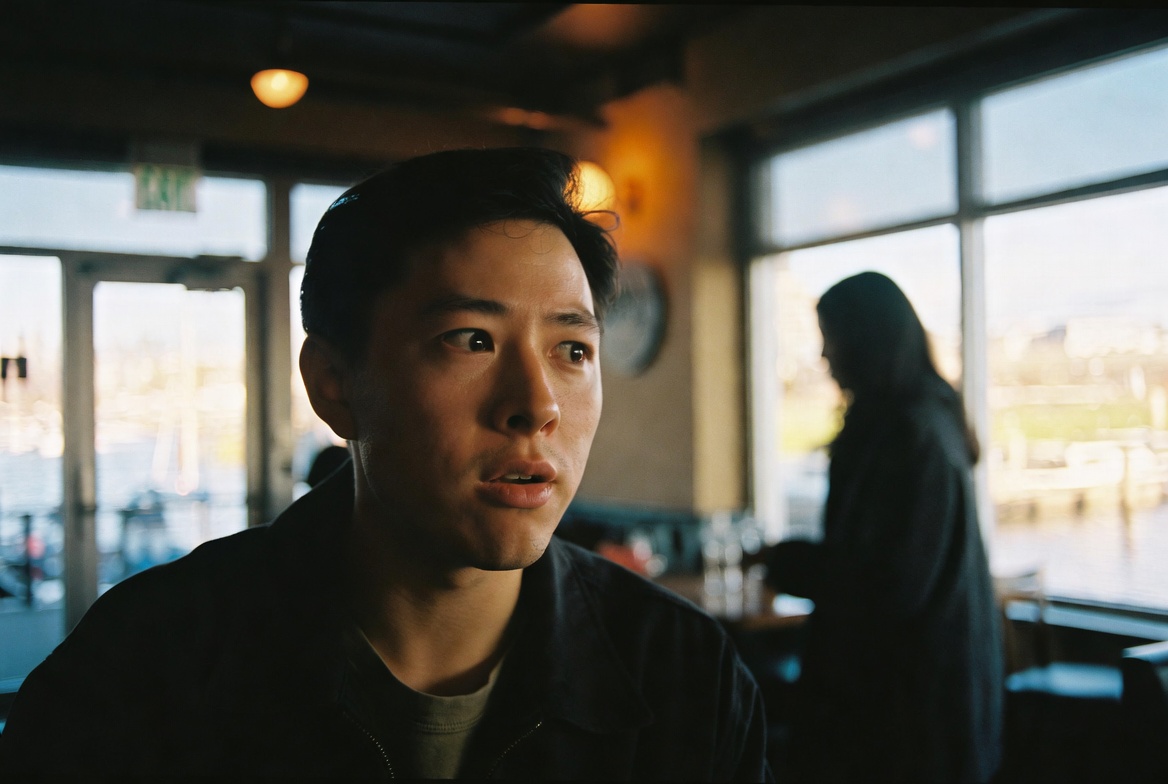
Everything changed when I accidentally discovered who she was. One afternoon in Vancouver, I heard the sound of a cathedral bell mixed with the horn of a ship moving through the harbor. It was a sound I recognized because I had heard it countless times through the phone before Clara said hello. I followed the sound into a small café and saw a woman sitting at a table with a phone beside her. For a moment, I thought I had found her. But when I heard the woman speak impatiently to a barista, I knew it was not Clara. Then, sitting nearby, I heard another phone ring. “Hello, you’ve reached the Haven line. My name is Clara.” I froze. The woman I had been speaking to for months was sitting only a few feet away. When we finally talked, she admitted she had known who I was from the beginning. She had recognized my voice from interviews. She also admitted something that surprised me. She had almost transferred my calls to another volunteer because she worried the connection was becoming too personal. But she stayed because she needed those conversations too. Her brother Marcus had died fourteen months earlier from suicide. She volunteered because she could not save him, and helping others through dark moments was the only thing that made the guilt quiet down.
Clara eventually told me about Marcus and what happened to him. He had been a talented young architect whose work was repeatedly taken by a senior partner named Daniel Greer. His designs were used under someone else’s name, his career was damaged, and he spent his final year believing he had failed when the truth was that he had been betrayed. The moment Clara mentioned Daniel Greer’s name, everything became personal. Greer was on my company’s board. He had been appointed eight months earlier, and I had approved that appointment myself. Clara worried about how it looked, but I told her the truth. If someone had been harmed, I needed to know. Not because of our connection, but because doing the right thing was more important than protecting my own comfort. I investigated the evidence she had preserved, and what I found was devastating. Marcus was not the only victim. Other young professionals had similar stories. Greer had built his success by taking credit from people who trusted him.

When Greer realized what was happening, he tried to attack first. An anonymous complaint was filed accusing me of having an inappropriate relationship with a volunteer counselor and misusing company resources. It was designed to isolate me and damage my reputation. But Greer made one mistake. He underestimated the importance of honesty. Clara and I had documented everything properly. We had disclosed concerns, followed procedures, and maintained transparency. His attack collapsed, but the evidence against him did not. I brought the files to the board and allowed the proper process to begin. Greer eventually resigned, and the truth about Marcus’s work finally came to light. Months later, I helped create the Marcus Reyes Memorial Library Reading Room, a place where his designs and ideas could be remembered instead of erased. It did not bring him back, but it restored something that had been taken from him: recognition.
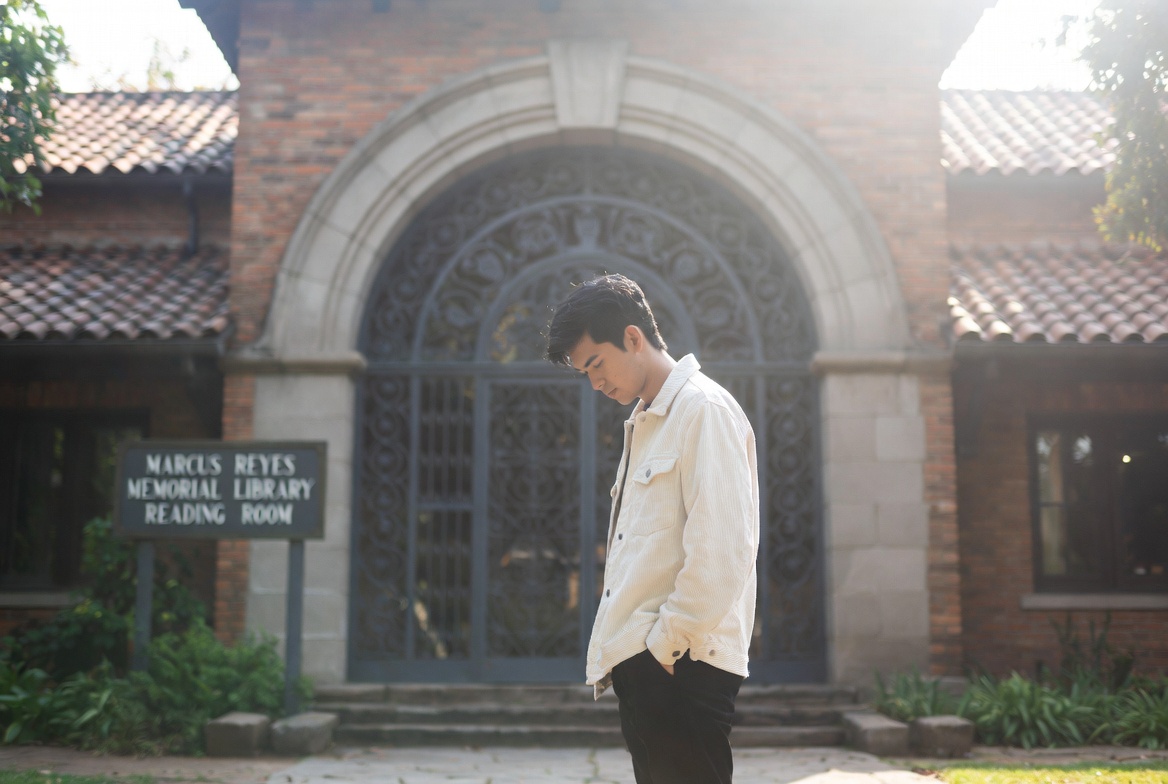
Today, I still run Callaway Health Systems, but I am no longer the same person who stood alone in that hotel room after receiving a standing ovation. I used to believe strength meant never needing anyone. Now I understand that strength also means allowing someone to see you when you are not strong. Clara did not save me. She did something more important. She reminded me that I was still human beneath the title, the company, and the reputation. She showed me that the doors we build for others only matter if we are willing to walk through them ourselves. The greatest achievement of my life is not the company I created or the network that changed healthcare access. It is the fact that after years of building everything around me, I finally learned how to let someone stand beside me.